
Introduction
Injectable treatments have become one of the most in-demand services in aesthetic medicine. For beginners, understanding the essential skills required for injectable training courses is key to building a safe and successful practice.
What Are Injectable Treatments?
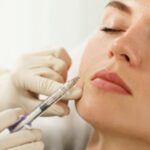
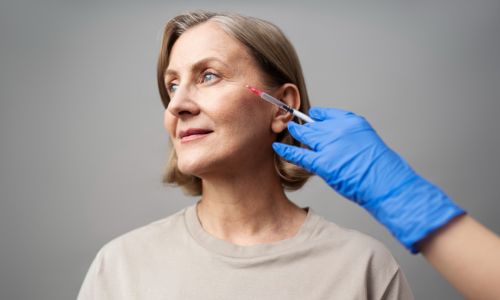
Injectables include non-surgical procedures such as:
- Botox
- Dermal fillers
- Skin boosters
These treatments are widely used for facial rejuvenation and anti-aging.
Essential Skills Every Beginner Needs
1. Understanding Facial Anatomy
A deep understanding of facial muscles, nerves, and blood vessels is crucial to avoid complications.
2. Injection Techniques
Learning proper techniques ensures precision and natural-looking results.
3. Patient Assessment & Consultation
Every patient is unique. You must assess skin condition, medical history, and expectations before treatment.
4. Safety & Complication Management
Knowing how to handle adverse reactions is a critical part of aesthetic injectable training.
5. Hygiene & Clinical Protocols
Maintaining strict hygiene standards is essential for patient safety.
Why Proper Training Is Important
Without professional training, injectables can lead to complications such as:
- Bruising or swelling
- Uneven results
- Vascular issues
Enrolling in a certified injectables training course ensures safe and effective practice.
Career Opportunities in Injectables
With the right skills, you can work in:
- Aesthetic clinics
- Dermatology centers
- Private practice
The demand for trained professionals continues to grow globally.
Conclusion
Starting your journey in injectable treatments requires the right mix of knowledge, skill, and practical experience. A structured training program can set the foundation for long-term success.
FAQs
Q1. Are injectable treatments safe?
Yes, when performed by trained professionals in a clinical setting.
Q2. How long does it take to learn injectables?
Basic training can take a few days, but mastering the skill requires continuous practice.
Q3. Can beginners enroll in injectable training courses?
Yes, many courses are designed specifically for beginners.
Q4. What qualifications are needed for injectables training?
Usually, a medical background is required (doctor, nurse, dentist, etc.).