
Introduction
In today’s fast-evolving aesthetic industry, theoretical knowledge alone is no longer enough. Medical professionals looking to build a successful career in aesthetic medicine training need real-world, hands-on experience to develop confidence, precision, and patient trust.
The Shift Toward Practical Learning in Aesthetic Medicine
With the rise of injectable treatments and advanced skin procedures, patients expect safe and high-quality outcomes. This makes hands-on aesthetic training courses essential for practitioners who want to stand out.
Key Benefits of Hands-On Aesthetic Training
1. Real Clinical Experience
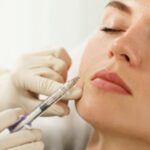
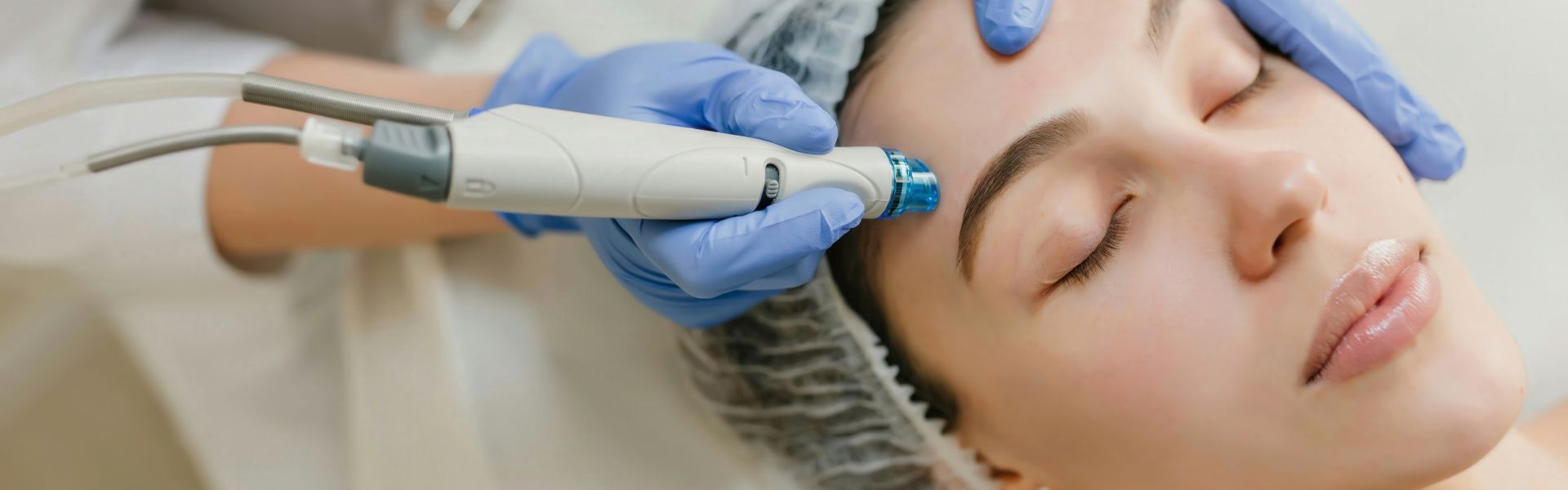
Hands-on training allows you to work with real patients under expert supervision, helping you understand facial anatomy and treatment techniques in depth.
2. Improved Confidence and Precision
Practical exposure builds muscle memory and reduces the risk of errors—critical when performing procedures like Botox and dermal fillers.
3. Better Patient Outcomes
Training in a clinical environment ensures safer treatments and improved results, which directly impacts patient satisfaction and retention.
4. Industry-Ready Skills
Employers and clinics prefer professionals who are already experienced in real procedures rather than just theoretical knowledge.
Why Theory Alone Falls Short
While theory provides foundational knowledge, it cannot replicate:
- Patient interaction
- Managing complications
- Real-time decision-making
This is why clinical aesthetic training is becoming the industry standard in 2026.
Conclusion
If you’re serious about building a career in aesthetics, investing in hands-on aesthetic training is no longer optional, it’s essential for success, safety, and long-term growth.
FAQs
Q1. What is hands-on aesthetic training?
It involves practical learning where you perform procedures on real patients under expert supervision.
Q2. Is hands-on training necessary for beginners?
Yes, it helps beginners gain confidence and develop practical skills faster.
Q3. What procedures are included in hands-on training?
Common procedures include Botox, dermal fillers, and advanced skin treatments.Q4. How does hands-on training improve career opportunities?
It makes you job-ready and increases your credibility with employers and clients.