

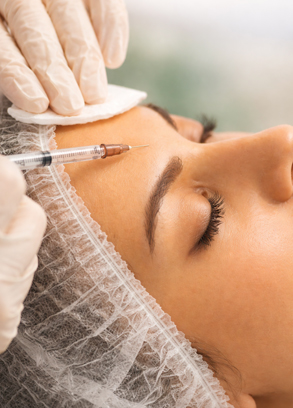
Find out how evidence-based dermal filler mentorship elevates injectors to be clinically competent professionals. This article discusses anatomy-based methods, scientific models, and experiential mentorship that bridge the theory-to-practice divide in cosmetic injectables education.
1. The Evolution of Technique to Evidence-Based Expertise
Aesthetic medicine is constantly evolving, and acquiring dermal filler injection mastery needs technical competence more than anything else, it also needs a keen understanding of anatomy, product rheology, and evidence. Modern cosmetic injectors need to navigate intricate variables like tissue dynamics, filler integration, and vascular mapping. At Australian Cosmetic Clinics, mentorship extends beyond the “how” of injectables to include the “why.” Trainees learn how to implement peer-reviewed research, anatomical safety data, and patient-specific assessment models to produce consistent, refined, and safe outcomes.
2. Building Clinical Confidence Through Structured Mentorship
Authentic competence in injectables is forged under expert supervision. Organized mentorship structures enable novice practitioners to apply theoretical knowledge to actual precision. Supervised by experienced clinicians, trainees view live demonstrations, conduct directed procedures, and reflect on patient evaluation, dose precision, and aesthetic harmony. Each session incorporates feedback and outcome assessment, assisting practitioners in developing an evidence-based treatment planning and complication management technique.
3. Establishing New Aesthetic Standards in Aesthetic Education
Australian Cosmetic Clinics is dedicated to an education platform based on clinical integrity and ongoing learning. All dermal filler training is delivered to national health and safety standards, with confidence building through evidence-based instruction. It’s not only a desire to produce competent injectors, but clinicians who have knowledge of anatomy, a respect for safety zones, and the ability to integrate changing scientific evidence into everyday practice. This formal mentorship fills the gap between classroom and aesthetic excellence in practice.
Key Takeaways:
- Evidence-based frameworks enhance filler results and patient safety.
- Mentorship facilitates transition from theoretical information to practical skill.
- Ongoing assessment and reflective learning improve clinical judgment.
- Anatomy, rheology, and risk management integrated give rise to contemporary injectables practice.
- Ethical, patient-focused education guarantees long-term career development in aesthetics.
FAQs
- Why is evidence-based dermal filler training more unique than traditional courses?
Evidence-based training is about incorporating scientific evidence, anatomical research, and safety information into all injection methods. It makes practitioners work with accuracy, rather than repetition.
- What category of professionals should undertake mentorship in cosmetic injectables?
Registered nurses, physicians, and medical practitioners who want to hone their craft, comply with AHPRA requirements, and enhance clinical outcomes gain the most from formal mentorship.
- How does mentorship enhance patient safety?
Mentorship confirms new injectors are taught to recognize anatomical landmarks, evaluate vascular risk zones, and address complications with confidence, all reducing adverse events.
- Do Australian Cosmetic Clinics provide customized mentorship programs?
Yes. Programs are designed around practitioner experience, guaranteeing personalized direction that expedites skill acquisition and professional advancement.
- How do I sign up for evidence-based dermal filler training?
Check the Australian Cosmetic Clinics training page or reach out to the education team to discuss options for mentorship courses and certification processes.